Dreams About Skull – Meaning And Interpretation
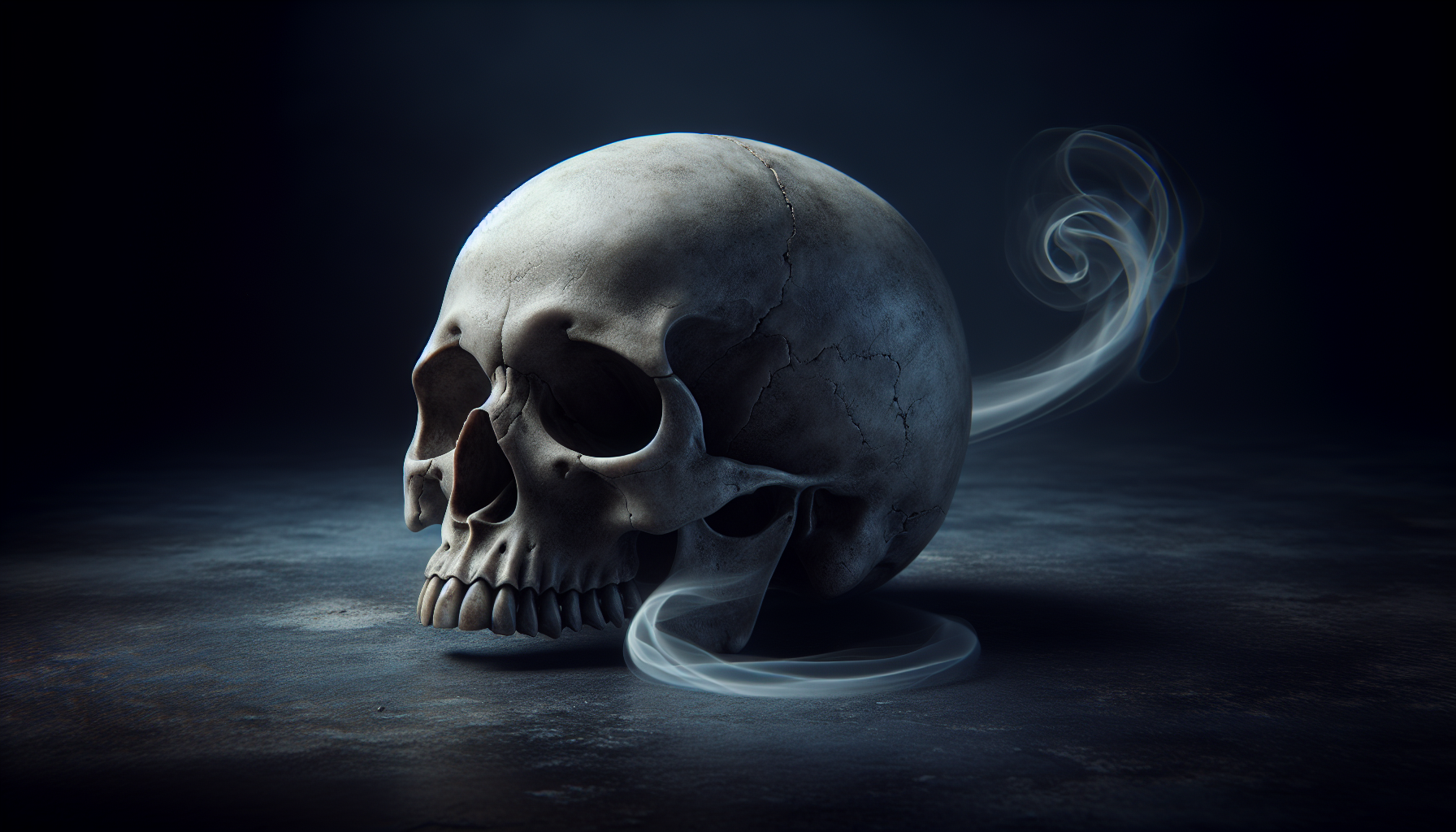
Have you ever woken from a dream of a skull and felt unsettled, curious, or strangely calm about its presence?
Dreams About Skull – Meaning And Interpretation

Introduction
Dreams about skulls can carry a wide range of meanings depending on your personal associations, cultural background, and the dream’s context. You may perceive the skull as frightening, neutral, or symbolic, and each reaction offers a relevant clue for interpretation. This article provides a comprehensive, professional, and practical guide to help you interpret skull dreams meaningfully.
Why skulls appear in dreams
Skulls are powerful visual symbols that tap into themes of mortality, transformation, identity, and hidden truths. You should consider both the symbolic history of the skull and your own life events to make sense of the dream. Paying attention to emotions and details will sharpen your understanding.
How to approach interpretation
Interpreting a skull dream is not about finding a single “correct” meaning; it’s a process that combines context, symbolism, and self-reflection. You will be guided through psychological frameworks, cultural meanings, common motifs, and practical methods to analyze your dream systematically.
Basic symbolic meanings
Across many traditions, skulls are associated with endings, mortality, and the structure that remains after life. They can also signify insight, protection, or the uncovering of hidden aspects of the self. Your personal context will determine whether the skull functions as a warning, a catalyst for change, or an emblem of resilience.
Cultural and historical symbolism
Skulls have carried diverse meanings in different cultures and historical periods. Understanding these backgrounds can broaden your interpretive options and help you connect the image to cultural narratives that may influence your subconscious.
Western traditions
In Western art and literature, skulls frequently symbolize mortality (memento mori) and the fleeting nature of earthly life. You may encounter skull imagery in religious art, poetry, or philosophical reflections on death.
Mesoamerican symbolism
In many Mesoamerican traditions, skulls were associated with cycles of life and death, ancestor veneration, and regeneration. If you have cultural ties to these traditions, your dream may reference renewal as much as it references endings.
Eastern and spiritual interpretations
In some Eastern contexts, skulls can represent impermanence and the transcendence of ego. They can function as reminders to detach from material attachments and to recognize the continuity of consciousness beyond physical form.
Contemporary and pop-culture meanings
Modern media often uses skulls as emblems of danger, rebellion, or subculture identity. If you are exposed to such imagery regularly, your dream may simply be processing these visual cues or aspects of personal identity.
Psychological frameworks for interpreting skull dreams
A psychological approach gives you tools to understand underlying mental and emotional processes reflected in skull imagery.
Jungian interpretation
From a Jungian perspective, the skull often symbolizes the self, the unconscious, or archetypal themes like transformation and rebirth. The skull might indicate a process of individuation—shedding parts of your identity to reveal a truer core.
Freudian viewpoints
Freudians might link the skull with repressed anxieties, death-related drives, or symbolic transformations of instinctual energies. The focus is more on suppressed content and personal history than on archetypal meaning.
Cognitive and emotional processing
Modern cognitive theories suggest dreams are part of emotional regulation and problem solving. A skull in your dream could reflect your brain’s attempt to integrate stressful experiences, fears, or major life decisions.
Common skull dream motifs and meanings
Different contexts and actions in the dream change the message. Below is a table summarizing common skull motifs and general interpretive directions.
| Motif | Common emotional tone | Possible interpretation |
|---|---|---|
| Seeing a skull | Neutral to uneasy | Reminder of mortality, awareness of foundational truths, or a call to confront hidden issues |
| Holding a skull | Contemplative, anxious | You are assessing power, knowledge, or facing grief; taking control of a transformation |
| Skull of a loved one | Sad, nostalgic | Processing bereavement, unresolved feelings, or the enduring influence of that person |
| Talking skull | Disturbing, curious | The unconscious trying to communicate an important message; repressed content surfacing |
| Shattered/broken skull | Alarmed, frightened | Loss of identity, mental strain, or a perceived fracture in your self-image |
| Glowing or decorated skull | Curious, calm | Acceptance of change; potential celebration of memory or identity (e.g., Day of the Dead themes) |
| Multiple skulls | Overwhelmed, reflective | Collective loss, social anxieties, or multiple unresolved issues demanding attention |
| Wearing a skull mask | Ambiguous | Questions about authenticity, hidden motives, or roles you perform socially |
| Skull in water | Soft, emotional | Submerged emotions emerging; purification or emotional transformation |
| Skull in a grave/crypt | Heavy, sorrowful | Confrontation with finality, or you are acknowledging an ending you resisted |
Use this table as a starting point but apply it to your personal story and the emotions present in the dream.
Emotional context and personal associations
Emotions experienced during the dream and upon waking dramatically affect meaning. Consider the following questions when interpreting your dream:
- How did you feel during the dream—fear, curiosity, calm, relief?
- What memories or images came to mind immediately after waking?
- Are you experiencing a major life change (loss, new job, relationship shift)?
Your answers will help determine whether the skull represents a warning, an invitation to change, or a neutral processing symbol.
Specific dream scenarios and interpretations
Below are several detailed scenarios you might encounter. Each section contains practical insights to guide your interpretation.
You see a skull in a public place
Seeing a skull unexpectedly in a familiar environment may indicate a sudden awareness of mortality or a hidden truth about your social life. You might be noticing the “bare bones” of a situation—what remains when pretense is removed.
You hold a skull or examine it closely
If you hold or inspect a skull, you may be engaging in a kind of internal inventory. This scenario often points to introspection about identity, knowledge, or the foundations of a problem.
You find a skull of someone you knew
A skull associated with a known person can be a way for your psyche to process grief, unresolved issues, or the continuing influence of that person in your life. Pay attention to emotions and any dialogue in the dream.
A skull speaks to you
Hearing a skull talk suggests that unconscious material is trying to communicate urgently. This message may be a piece of insight you’ve been avoiding. Record the words or themes immediately upon waking.
The skull is damaged or broken
Damage to a skull may symbolize perceived damage to your sense of self, cognitive strain, or fear of psychological fracture. You should assess current stressors and mental health.
You wear a skull or see others wearing skulls
Wearing a skull or seeing skulls as fashion can point to identity play, a desire to present a tougher or changed persona, or commentary on how you and others handle mortality.
Skulls in ritual or celebratory settings
When skulls appear in ritual contexts (e.g., decorated altars), the dream may emphasize cultural practices of remembrance or celebration of life. It often signals reconciliation with an ending or honoring past influences.
Dream vividness and sensory detail
Take note of sensory elements—color, smell, temperature, and texture. These details enrich interpretation and indicate emotional intensity. For instance, a cold skull might point to emotional distance, whereas a warm or glowing skull could signal acceptance or spiritual comfort.
Recurring skull dreams
If the skull appears repeatedly, you are dealing with persistent psychological material that needs attention. Recurrence often indicates unresolved grief, ongoing transformation, or chronic anxiety. You should track patterns and contexts to find triggers.
When skull dreams are nightmares
Not all skull dreams are nightmares, but if your dream triggers severe fear, persistent sleep disturbances, or daytime impairment, treat it seriously. Nightmares with skulls may indicate trauma responses or acute stress reactions requiring professional care.
Practical steps to interpret your skull dream
Use the following structured approach to deepen your analysis and apply insights to waking life.
- Record the dream immediately:
- Note setting, actions, emotions, and any dialogue.
- Identify the dominant emotion:
- Fear, curiosity, sorrow, relief—your primary feeling points toward the central message.
- Analyze personal associations:
- Connect images to people, books, films, or memories that resonate.
- Consider life context:
- Note recent events, stressors, or decisions that map to the dream’s theme.
- Apply a symbolic lens:
- Use psychological, spiritual, and cultural interpretations to generate multiple possible meanings.
- Test interpretations:
- Ask which interpretation resonates when you reflect calmly, and consider how it suggests a practical action.
- Integrate insights:
- Use journaling, conversation with trusted others, or therapy to incorporate the message into life.
Techniques to work with skull dreams
You can use several techniques to actively engage with skull imagery and reduce distress or extract meaning.
Dream journaling
Maintain a dedicated dream journal and write immediately upon waking. Over time you will see patterns and recurring symbols that illuminate meaning.
Active imagination
A Jungian method where you consciously dialogue with dream characters or symbols while awake. You can mentally ask the skull questions and record responses that arise—this helps externalize unconscious content.
Mindfulness and grounding
If skull dreams cause anxiety, grounding exercises and breathing practices will help you tolerate emotions and reflect more clearly on symbolism.
Creative integration
Translate the dream into art, poetry, or movement. Creative work helps to process complex emotions and can reveal new perspectives.
Lucid dreaming and skulls
If you practice lucid dreaming, you may consciously influence skull imagery. Use lucidity to ask questions, alter the scene, or desaturate frightening elements. This can transform your relationship to the symbol while preserving its messages.
When to seek professional help
If skull dreams are accompanied by persistent insomnia, intrusive thoughts, severe anxiety, or trauma reenactment, consult a mental health professional. Therapists can help you process traumatic content, integrate symbolic meaning, and restore sleep quality.
Scientific and neurological perspective
From a neuroscientific standpoint, dreams reflect the brain’s offline processing of memory, emotion regulation, and problem solving. A skull may appear because the imagery resonates strongly with deep fears or salient life events, and your brain is trying to consolidate learning or reduce emotional charge.
Memory consolidation
Sleep supports the consolidation of emotional memories. You may dream of a skull when your brain is integrating experiences related to loss, change, or identity shifts.
Emotional regulation
Dreams allow safe rehearsal of emotional scenarios. Confronting a skull in a dream can be an adaptive process in which you rehearse acceptance, grief, or decision-making.
Ethical and cultural sensitivity
When interpreting skull dreams, respect cultural meanings and personal beliefs. If the skull imagery relates to rituals or ancestral practices, you should be mindful of cultural context and avoid superficial appropriation of sacred meanings.
Table: Quick-reference guide to skull dream actions and immediate reflective questions
| Dream action | Immediate question to ask yourself |
|---|---|
| Seeing a skull unexpectedly | What recent event or thought has made mortality or truth more salient for me? |
| Holding the skull | What are you holding onto or examining in your life? |
| Skull of a specific person | What unresolved feelings or memories does that person evoke? |
| Talking skull | What message have you been avoiding that your unconscious is insisting you hear? |
| Broken skull | Where do you feel vulnerable or fragmented in life? |
| Wearing skull imagery | What identity or role are you choosing to present publicly? |
| Multiple skulls | Are there multiple issues competing for attention in your life right now? |
Use these prompts to generate insights that are immediately actionable.
Myth-busting: common misconceptions about skull dreams
Several myths can make skull dreams feel more ominous than they are. Clarifying these will help you approach interpretations grounded in evidence and psychology.
- Myth: Any dream of a skull predicts death.
- Reality: Skull dreams often symbolize endings, transformation, or truths—not literal death predictions.
- Myth: Skull dreams are always negative.
- Reality: They can signify renewal, wisdom, or emotional integration.
- Myth: Only superstitious interpretations matter.
- Reality: Personal and psychological meanings are often more relevant and actionable than superstition.
Combining cultural and personal meaning
For a fuller understanding, merge cultural symbolism with your personal context. This hybrid method allows you to respect collective meanings while prioritizing what resonates for you.
Case studies (brief)
Here are three short illustrative examples demonstrating how context changes interpretation.
- Case 1: You dream of holding a decorated skull during a festival. You recently participated in a ceremony honoring ancestors. Interpretation: Integration of heritage and acceptance of lineage; healthy processing of loss.
- Case 2: You repeatedly dream of a broken skull after a traumatic argument. You are feeling disoriented and doubting your self-worth. Interpretation: Psychological fragmentation; seek support and grounding practices.
- Case 3: You dream of a skull that speaks calmly and tells you to move on. You are at a career crossroads. Interpretation: The unconscious is signaling readiness to release old roles and embrace professional transformation.
Practical suggestions for recurring or troubling skull dreams
If the dream persists or disturbs your sleep, try the following steps:
- Keep a nightly dream log to identify patterns.
- Use pre-sleep intention-setting: tell yourself you will remember and reflect without fear.
- Practice relaxation techniques before bed to reduce nightmare frequency.
- If dreams are trauma-related, seek trauma-informed therapy.
Frequently asked questions (FAQ)
Below are concise answers to questions people commonly ask about skull dreams.
Does dreaming of a skull mean I will die soon?
No; dreaming of skulls is typically symbolic rather than predictive. It usually points to psychological themes such as endings, transitions, or unresolved issues.
Are skull dreams always negative?
No; skulls can represent transformation, wisdom, or acceptance. Context and emotions determine whether the experience is negative or constructive.
How can I stop nightmares about skulls?
Use grounding techniques, modify pre-sleep media exposure, keep a dream journal, and consider therapy if nightmares persist.
Can cultural beliefs change my dream’s meaning?
Yes; cultural background can strongly influence symbolism. If you belong to a culture with specific skull traditions, those meanings may be central to interpretation.
Final reflections
You should treat skull dreams as valuable psychological data rather than supernatural omens. They often invite you to confront hidden truths, process endings, and acknowledge transformation. With careful journaling, reflection, and appropriate professional support when needed, you can use skull dreams to catalyze personal growth.
Conclusion
Dreams about skulls are multifaceted symbols that can carry messages about mortality, change, identity, grief, and insight. To interpret them effectively, you should record details, consider emotional tone, apply psychological and cultural frameworks, and test interpretations against your life circumstances. Whether the skull appears as a warning, a messenger, or a symbol of renewal, engaging with the image intentionally will give you clearer guidance and, ultimately, greater self-understanding.