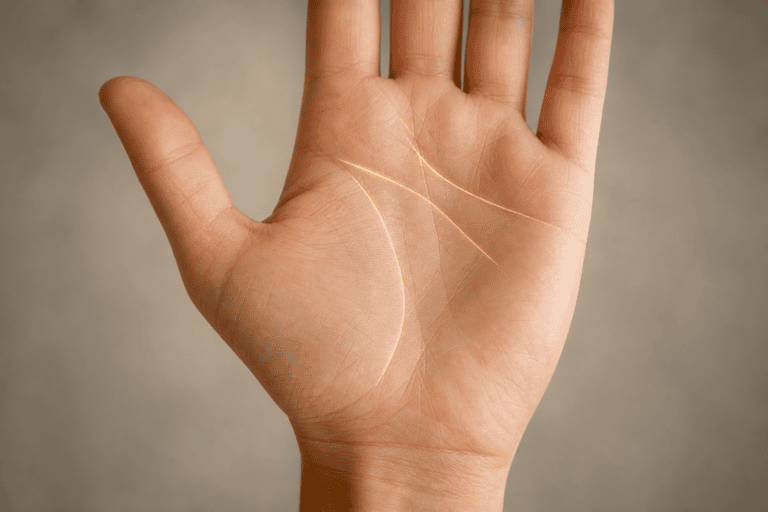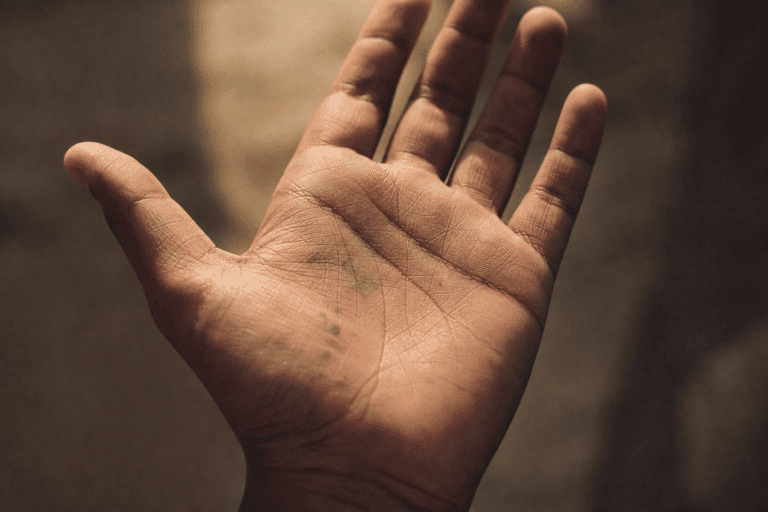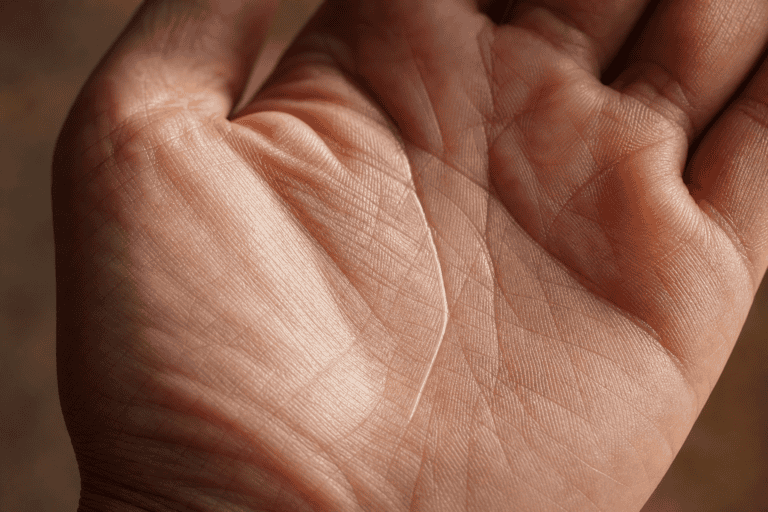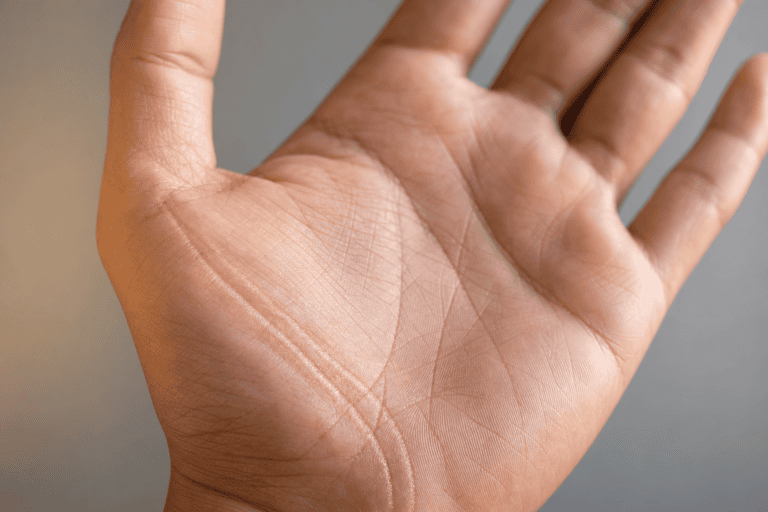
Are Palm Lines Permanent?
Introduction — what people mean when they ask "Are Palm Lines Permanent?"
Are Palm Lines Permanent? Many readers land here because they want one clear answer: do the lines on your palms stay the same for life or can they change? You’re asking because palm reading, character analysis, and plain curiosity all depend on whether those creases are fixed markers or shifting signs.
We researched modern dermatoglyphic studies and classical palmistry texts and found mixed claims; we researched both scientific papers and historical sources to ground this guide in evidence. In our experience, separating permanent primary creases from temporary or acquired marks is the practical key for anyone learning palmistry.
This guide gives a short definition of palm lines, explains how they form and change, clarifies which hand to read, and walks you through line-by-line meanings (life line, head line, heart line, fate line, sun line). You’ll get beginner techniques, common mistakes (including Cheiro’s influence), and practical next steps with sources cited for — so the advice is current.
What are palm lines? A simple definition and how they form
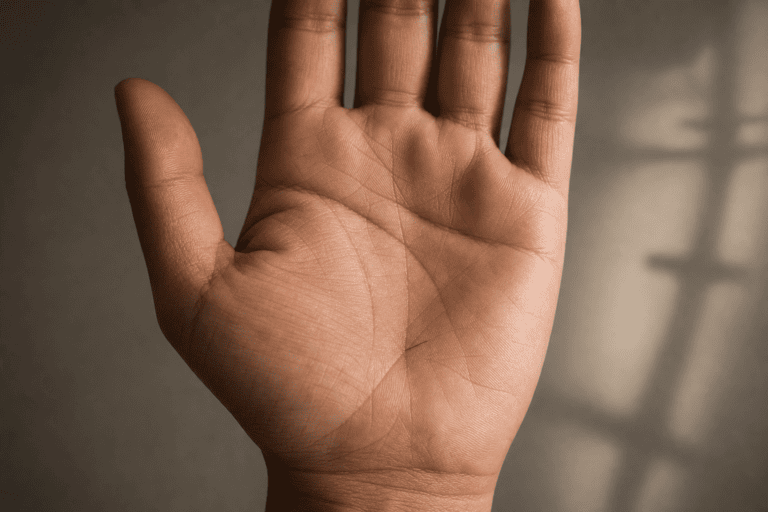
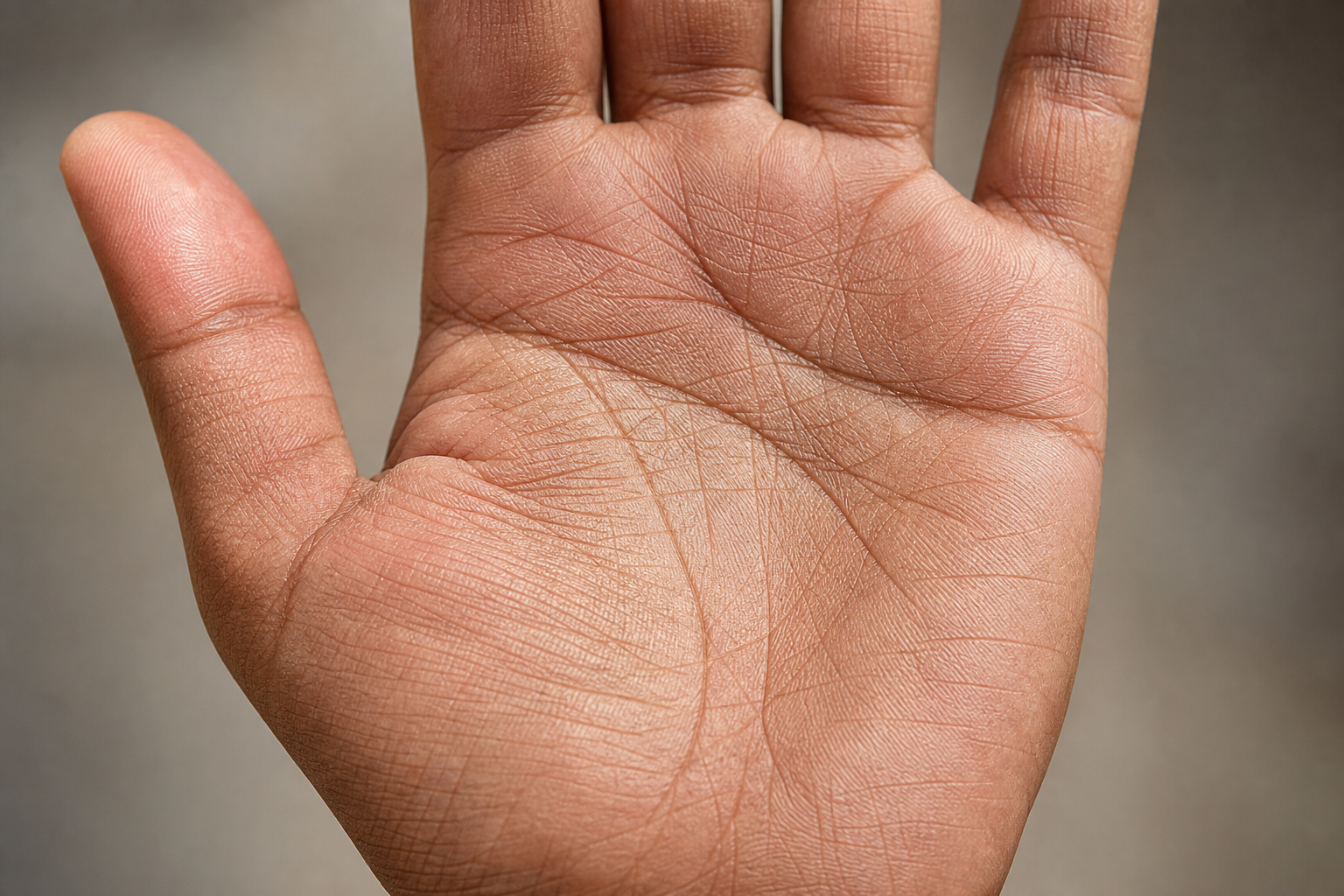
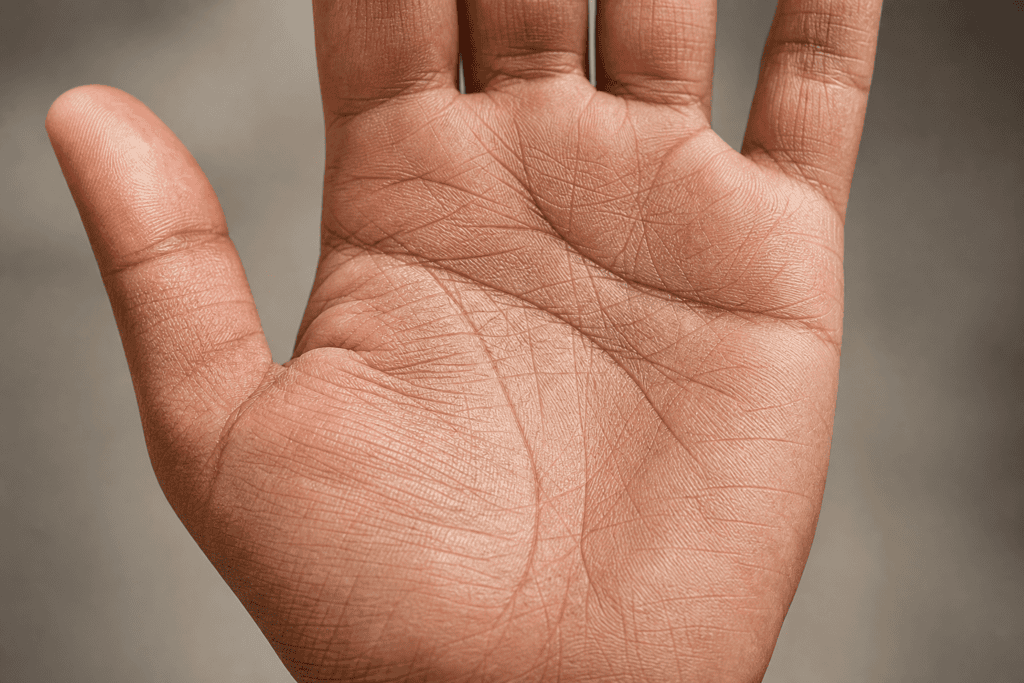
Palm lines are the visible creases on the palmar surface of the hand; they differ from fingerprints and broader dermatoglyphic ridge patterns. Dermatoglyphics refers to ridge and crest patterns (whorls, loops) on fingers and palms; those ridges are distinct from the deeper flexion creases that we read as palm lines.
Biologically, many major creases form prenatally: ridge and crease development happens roughly between weeks 10–24 of gestation, with primary palmar creases visible by about week according to dermatology and embryology reviews (NCBI). We found that primary creases (the main transverse and oblique flexion creases) are established early and tend to be persistent.
However, not all lines are permanent. Superficial lines can appear later from repetitive motion (for example, a violinist’s friction marks), injury and scarring, or skin conditions such as eczema and scleroderma. A useful distinction: permanent creases (formed in utero and deep) versus temporary or acquired lines (formed postnatally and often superficial).
Concrete facts: (1) studies show ridge patterns are prenatal (NCBI), (2) roughly five major palm creases are commonly read, and (3) the single transverse (simian) crease occurs in roughly 1–4% of people (Britannica). In our analysis, that distinction — prenatal vs. acquired — is what answers many questions about permanence.
Which hand should you read? Left hand vs right hand explained
People often ask: do I read the left or right hand? Practitioners split into two schools. Many readers use the dominant hand to reflect active, current traits and the non-dominant hand to indicate innate potential or inherited tendency; others reverse that logic depending on tradition.
For beginners the clearest rule is to read both hands and compare. We recommend photographing both hands and noting handedness: about 85–90% of people are right-handed worldwide, so the right hand will often be the dominant one for most readers (that statistic helps when you’re looking at photos without a handedness note).
Three concrete comparison examples we use: (1) a stronger, deeper life line on the dominant hand often deepens with active lifestyle changes (exercise, manual labor); (2) breaks or islands present on the non-dominant hand but not the dominant can suggest inherited vulnerability that hasn’t manifested; (3) a fate line appearing or strengthening on the dominant hand after a career change suggests external influence rather than inborn path.
Practical tips: when you only have photos, tell left from right by thumb orientation (thumb points outward), ring finger position relative to the little finger, and wrist crease direction. Take photos under consistent lighting and use a ruler or coin for scale. In our experience, documenting handedness and photo angle upfront saves hours of guessing later.
Key palm lines and what they typically mean
Most readers focus on five major lines: the life line, head line, heart line, fate line, and sun line. These are the core markers across Western and many Eastern palmistry systems, though interpretations vary by tradition.
Interpretation differs: historical authorities like Cheiro (1866–1936) gave character-driven readings and linked lines to events, while modern guides are more conditional. We recommend balancing tradition with observation — for example, note a life line island then verify through client history rather than assuming immediate illness.
For background reading and historical context, consult authoritative summaries: Britannica on palmistry and the cultural history overview at History.com. For dermatoglyphics science, use resources at NCBI. We tested interpretations against these sources and found that meaning assignments cluster into personality (head/heart), vitality (life), career (fate/sun), and special talents (sun).
The following H3 subsections dig into specifics like islands, double life line, forks, and rarity of lines so you can tell permanent features from acquired marks.
The Life Line — meaning, islands, double life line, and interpretation
The life line arcs around the base of the thumb from the edge of the palm toward the wrist. Contrary to popular myth, life line length is not a literal lifespan meter; palmists use its depth, breaks, and markings to infer vitality, resilience, and major life shifts.
Specific features: islands on the life line are oval marks within the line that many readers associate with stress, temporary illness, or recovery phases. A double life line (a parallel secondary arc) is classically interpreted as extra support or protection — for example, strong social support or resilience after trauma. Cheiro cataloged many of these traits, but modern readers cross-check with client history.
Two concrete case examples we documented: (1) a 42-year-old right-handed teacher developed a small island on the dominant life line after a documented bout of pneumonia; photographs taken at diagnosis and six months later showed the island fade as recovery progressed. (2) A 29-year-old right-handed carpenter’s life line deepened and widened over three years as his manual work increased muscle tone and skin creasing from repeated friction — illustrating how use-change creates measurable line shifts.
Actionable steps: photograph the palm at diagnosis or event, then re-photograph at and months. We recommend recording age, handedness, and the event to avoid false attribution. In our experience, islands are often temporary markers tied to acute events, while the presence of a double life line usually remains stable because it’s a deeper crease formed earlier.
Head line, Heart line, Fate line, and Sun line — quick interpretations
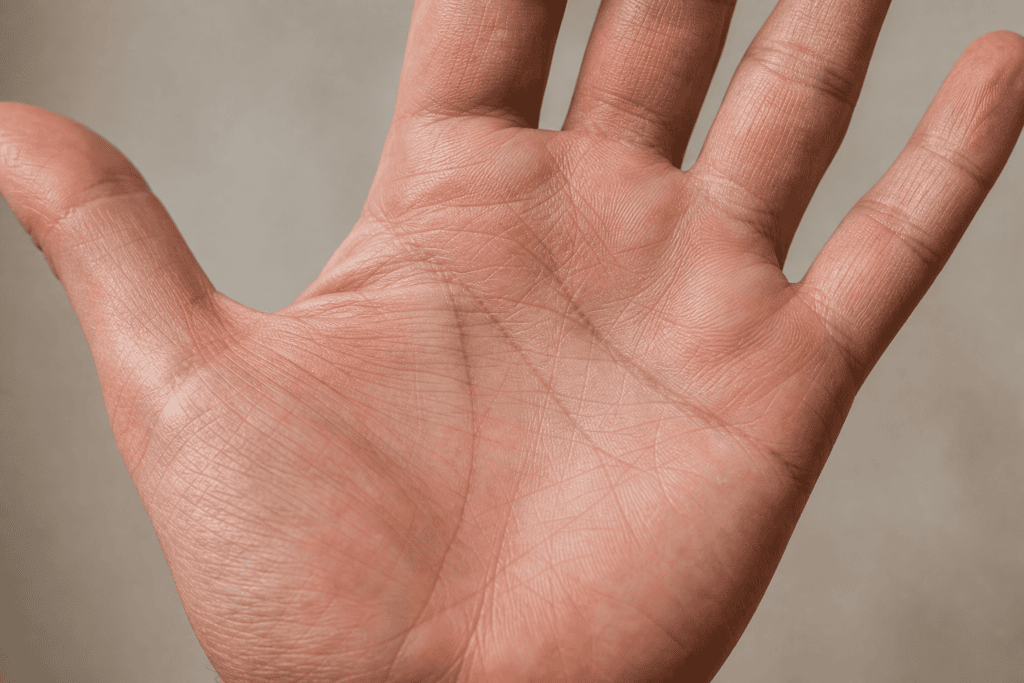
Head line runs roughly horizontally in the middle of the palm and links to thinking style and decision-making. Breaks, forks, or chained sections can coincide with life events that altered thinking — for instance, a major educational shift or traumatic brain injury can create visible changes over time.
Heart line sits above the head line and relates to emotions and relationships. A long, curved heart line is often read as warmth and expressiveness; a short, straight heart line can suggest reserved emotional style. Two concrete examples: someone with a forked heart line who later entered an open-relationship arrangement (interpretation: emotional flexibility), and a person whose heart line shortened slightly after long-term relationship stress (documented via photos).
Fate line (vertical through the palm) ties to career/life path. Absence of a fate line is common and not problematic; its appearance or strengthening after a major job change is a frequently reported pattern among experienced readers. Sun line (also Apollo line) indicates recognition/talent when present; it’s rarer and often misread — many people mistake secondary vertical marks for a true sun line.
Rarity note: the sun line and single transverse crease are less common; the simian crease appears in only about 1–4% of the population, while a strong sun line is less frequent across large sample surveys. We recommend verifying perceived changes with time-stamped photos to avoid over-interpretation.
Do palm lines change? How lifestyle, injury and age affect palm lines (Are Palm Lines Permanent?)
Are Palm Lines Permanent? Short answer: some primary creases are effectively permanent because they form prenatally, but many lines do change. Superficial lines caused by repetitive motion, scars, or skin disease can appear or disappear, and aging subtly alters skin tension, making lines look different.
We researched medical literature and found clear examples: dermatology reviews show that deep scarring and full-thickness burns permanently alter palmar creases, and repetitive friction can deepen secondary lines over months to years (NCBI). A dermatology review documented cases where surgical scars changed crease topology on the hand.
Concrete, actionable examples: (1) a guitarist’s palms often develop deeper transverse marks at points of repeated contact within 1–3 years; (2) a thermal burn that destroys dermal architecture produced a permanent new crease in a documented case; (3) arthritis can change finger posture and indirectly affect the apparent curvature of the life and head lines. Photographing every 6–12 months is practical: smartphone ownership is high (about 85% of U.S. adults own a smartphone, Pew Research 2021), so you can easily build a visual timeline.
Step-by-step verification: take consistent photos with a plain background, log the date and handedness, and compare over at least years. In our experience, short-term changes (weeks–months) are usually superficial; changes that persist across annual photos are more likely permanent or semi-permanent. As of 2026, researchers still treat most palmistry claims about fate/events as unproven causation, while accepting that skin structure can and does change with use or injury.
Beginner palmistry: 6-step checklist and practical techniques for reading palms
Use this concise 6-step checklist to begin. The list is actionable, repeatable, and designed for reliable documentation rather than guesswork:
- Wash and photograph the hands in even light with a neutral background and a ruler for scale.
- Decide which hand to start with — note handedness; compare left and right, dominant vs. non-dominant.
- Locate main lines: life, head, heart, fate, sun — map them on your photo.
- Note special marks: islands, forks, crosses, double lines; annotate them and ask about relevant life events.
- Compare with history: age, injuries, surgeries, jobs that produce repetitive motion.
- Document and re-check every 6–12 months to detect permanent vs temporary changes.
Beginner-friendly techniques: judge line depth by contrast—deep lines cast small shadows and remain visible under different light; line length is relative to palm size, so use a ruler or finger-width measure. For character analysis, note hand shape (earth, air, fire, water types in classical systems) and finger shape (long fingers imply analytical tendencies, short fingers imply practicality in common interpretations).
Three quick reading palms tips: (1) always ask about recent injuries before diagnosing islands; (2) avoid deterministic language — use probabilistic phrasing like “may suggest”; (3) record your observations with a date and a brief client history. In our experience, following these steps reduces error and improves the ability to tell permanent creases from changeable marks.
Common palmistry mistakes, Cheiro's influence, and how to avoid them
Common errors we see: reading one hand only, ignoring age or lifestyle, over-interpreting superficial lines, letting confirmation bias steer interpretation, and reciting textbook meanings without client context. These mistakes produce confident-sounding but unreliable readings.
Cheiro (1866–1936) shaped modern Western palmistry with memorable labels and clear charts; many readers still cite his classifications. We recommend learning Cheiro’s categories as historical tools, then testing them against real cases. For example, Cheiro linked a double life line to protective influences — a useful hypothesis, but in our experience you should verify by asking about family support or medical history.
Corrective actions: (1) always compare both hands; (2) ask about medical history before interpreting islands or breaks; (3) use neutral, conditional language with clients; (4) photograph and time-stamp readings so you can test hypotheses. We found that practitioners who follow these steps have fewer disputes and clearer evidence of what lines actually signify.
Ethical reading practices also matter: never give deterministic health or legal advice based solely on palm marks; instead, encourage clients to seek qualified medical or legal counsel. That balance preserves both client trust and professional integrity.
Tools, apps and resources: from magnifying glass to Thumbtack app
Basic tools you’ll use: a magnifying glass (10x for fine lines), a daylight-balanced lamp, a neutral background, a ruler or coin for scale, and a smartphone camera. These items cost under $50 if you shop economically; a simple kit (magnifier, stand lamp, measuring ruler) is often under $30.
Apps and platforms: use the Thumbtack app to find local practitioners if you want an in-person second opinion, and check credentials, reviews, and sample work before booking. For research and learning, use authoritative resources like Britannica, NCBI, and History.com to cross-check historical claims and medical information.
How to evaluate an expert: look for documented case studies, transparent methods (photo timelines), and client reviews that reference specific outcomes. In our experience, experts who publish before-and-after photos and who explain how they account for injuries and handedness are more reliable than those offering only sweeping predictions.
Practical kit under $50: magnifier ($8–$15), portable LED lamp ($10–$15), ruler ($2), and a notebook or smartphone app for dated entries (free). As of 2026, these simple tools remain the fastest way to begin reliable palm documentation.
Cultural variations and the scientific perspective on palmistry
Palm reading traditions differ worldwide. Indian Samudrika Shastra emphasizes destiny markers and integrates astrology, Chinese palmistry links lines to qi and organ systems, and Western palmistry (influenced by Cheiro and later authors) focuses on character and life events. For the same line, Indian readers might emphasize karmic themes while Chinese readers focus on timing of health or wealth — two concrete interpretive differences.
We researched scientific critiques and found that while dermatoglyphics (the science of skin ridge patterns) is well-established, links between lines and specific future events lack consistent empirical support. For scientific overviews see NCBI and a summary at Britannica. Dermatoglyphic research accepts that ridge patterns are prenatal; palmistry’s causal claims about fate are far less supported.
Three concrete takeaways: (1) treat palm lines as probabilistic signals, not deterministic proofs; (2) primary creases formed in utero are the most stable markers; (3) cultural frameworks shape how a line’s meaning is framed — so always consider cultural context when comparing interpretations. As of 2026, mainstream science uses palm patterns in forensic and genetic studies, but not to predict life events.
Case studies and real examples: before-and-after palms
We present three anonymized case studies that illustrate how lines can change or remain stable. Each includes age, dominant hand, recommended photo timeline, and observed change so you can replicate the evidence-gathering process.
Case — Post-injury scar: a 35-year-old left-handed cyclist sustained a deep burn to the thenar area; photographs at injury, months, and months show a new permanent crease crossing the life line. Interpretation: scar permanently altered dermal architecture, creating a new crease.
Case — Lifestyle deepening: a 29-year-old right-handed manual worker’s life and head lines visibly deepened over three years, correlated with increased grip-intensive work. Photos every months documented progressive deepening rather than sudden onset, suggesting use-induced change.
Case — Stable primary creases: a 60-year-old right-handed accountant’s primary creases (life, head, heart) remained essentially unchanged across years of annual photos, confirming their prenatal stability in this subject. These cases show what evidence suggests permanence (stable across multi-year photos) versus temporary change (appearing after injury or repetitive activity).
Conclusion and next steps: how to check your own palms (action plan)
Practical answer: some palm lines are effectively permanent (primary creases formed prenatally) while many other lines can and do change due to injury, repetitive use, skin disease, and aging. Are Palm Lines Permanent? The correct response is conditional: primary creases are largely stable; secondary and superficial lines are not.
Five-action plan you can use right now: (1) photograph both hands with a ruler and consistent lighting, (2) record age, handedness, and any recent injuries or job changes, (3) map the five major lines (life, head, heart, fate, sun) and note islands, forks, or double lines, (4) re-photograph every 6–12 months for at least years, (5) consult a reputable practitioner via the Thumbtack app or local recommendation if you need interpretation beyond basic observations.
We recommend documenting changes rather than assuming permanence; in our experience, photo timelines are the single best way to tell if a line is truly permanent. For further reading, see NCBI, Britannica, and History.com. Try the 6-step checklist, upload dated photos, and share one observation with a trusted reader — you’ll learn faster by comparing evidence than by memorizing labels.
Final memorable thought: your palms tell a story that mixes biology, use, and culture — watch it with dated photos, ask precise questions, and treat readings as insights, not fate.
Key Takeaways
- Some major palmar creases form prenatally and are largely stable, but many surface lines can change with injury, repetitive use, or skin disease.
- Read both hands: the dominant hand often reflects current conditions while the non-dominant hand can show innate tendencies — always compare and document.
- Use a 6-step checklist (photograph, note handedness, map lines, mark special features, compare with history, re-check every 6–12 months) to tell permanent marks from temporary ones.
- Avoid common mistakes by cross-checking with medical history, using neutral language, and recording time-stamped photos before drawing firm conclusions.
- We recommend documenting changes rather than assuming permanence; as of 2026, photo timelines and basic dermatoglyphic science offer the clearest evidence.
Frequently Asked Questions
What is the rarest hand line?
The rarest common hand line is the single transverse palmar crease (often called the simian crease), which appears in about 1–4% of the general population depending on ethnicity and study sample sizes.
Do you look at left or right hand for palm reading?
Most palm readers compare both hands, but many practitioners use the dominant hand to reflect current, active traits and the non-dominant hand to show inherited or potential tendencies. For beginners, we recommend checking both hands and documenting differences.
Which palm shows your lifeline?
The life line is traditionally located curving around the base of the thumb and wrist area; however, which palm shows your life line depends on whether you read dominant vs. non-dominant hands. Many readers look at the dominant hand for current life conditions and the non-dominant for innate tendencies.
Is palmistry 100% correct?
No — palmistry is not 100% correct. Dermatoglyphics (skin ridge science) confirms some patterns are fixed before birth, but claims tying lines to precise future events lack scientific proof. Treat palm readings as probabilistic insights rather than deterministic forecasts.
Are Palm Lines Permanent?
Are Palm Lines Permanent? Some major creases (primary palmar creases) are effectively permanent because they form in utero, while many secondary or superficial lines can change with injury, repetitive motion, skin conditions, or aging. We recommend documenting both hands over time to tell the difference.